
Right in the browser, your NFT life becomes… simpler. Seriously, it’s a night-and-day difference when you juggle seed phrases. Whoa! My instinct said extensions were just convenient, but after a few weeks of heavy use I noticed things that surprised me. At first I used a mobile wallet only, which was fine for casual buys.
The fast part is obvious: quick signatures and instant interaction with marketplaces. Hmm… that speed hides usability traps though, and I’m not gonna pretend it doesn’t. Initially I thought browser extensions would expose me more to phishing, but then I learned how permission scopes and origin isolation actually reduce risk when used correctly. Really? So you want a wallet that balances speed with safety, and yes you can have both.
Wallet extensions for Solana are tuned for on-chain convenience. They keep keys off the web and let you approve transactions without copying and pasting annoying long strings. Something felt off about the first ones I tried—they were bulky, clunky, and not user friendly. Okay, so check this out—phantom changed that flow in many ways by focusing on UX and dev tooling. Whoa!
What I noticed after using extensions every day
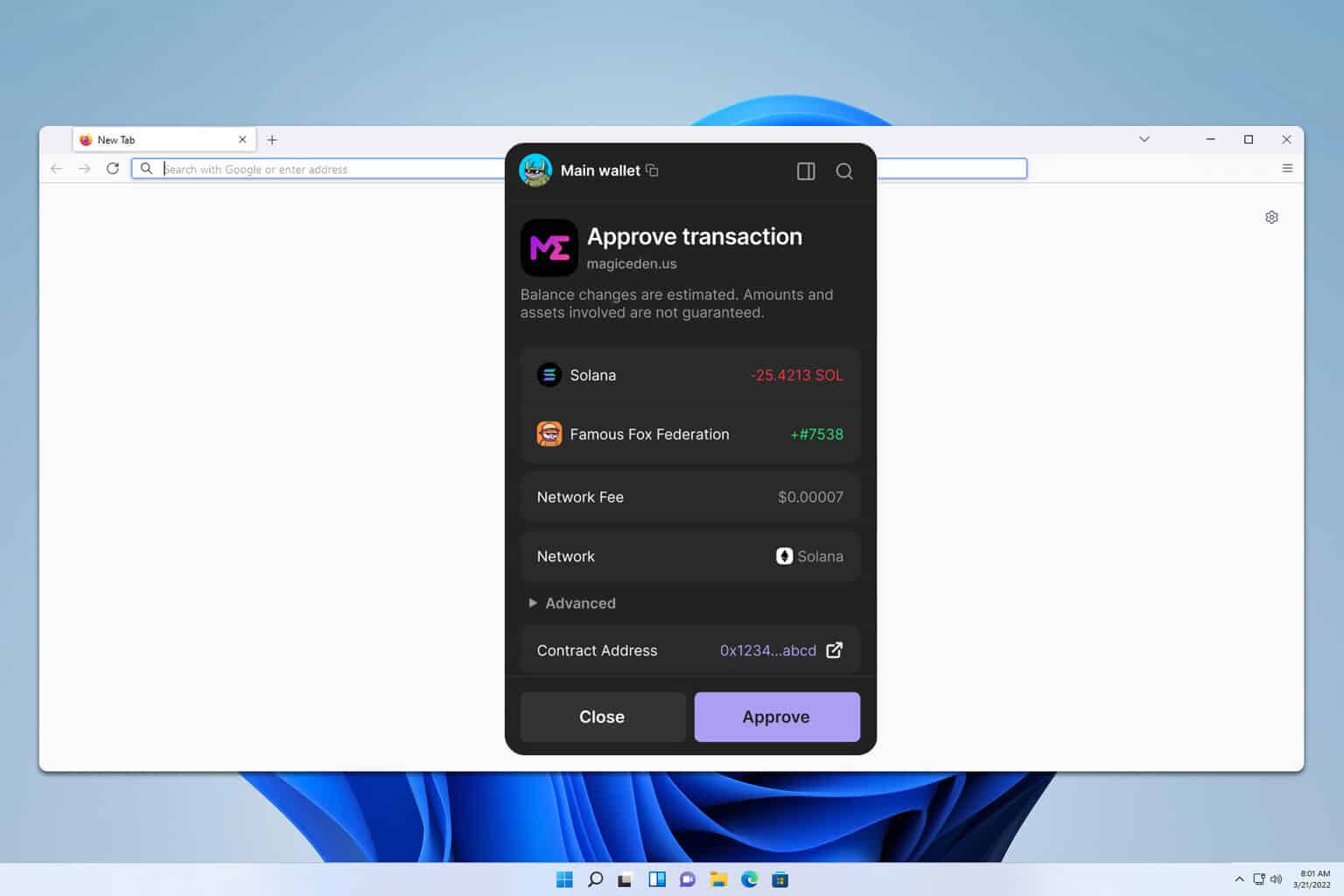
The UI is polished, and the devs built it with Solana’s speed in mind. On one hand the extension model exposes surface area, though actually it’s an improvement over copying seeds into random apps. My working through that contradiction felt like a mini-lesson in threat modeling. Hmm. I liked that the permission prompts are granular; they make it harder for a site to siphon tokens without explicit consent.
Wallet choice affects your NFT experience more than you think. Searchability, collection previews, lazy minting support—they matter when you manage dozens or hundreds of NFTs. I used a test account and tried trading on three marketplaces simultaneously, and the extension kept everything sane. Really? The difference is clear when gas is negligible and approvals are fast.
Security is the elephant in the room. I’ll be honest—some design decisions bug me, like overreliance on centralized endpoints for metadata. Initially I thought that was okay, but then I realized decentralized metadata or IPFS pinning reduces single points of failure. Wow! So a good extension will give you options, but also sensible defaults that protect newbies.
Developers also benefit because extensions expose rich APIs. You can auto-detect wallets on a page and build flows that ask for a signature only when necessary. Eventually I started building small tools that streamline collection management—somethin’ I didn’t plan at first. Whoa! Actually, wait—let me rephrase that; I meant to say I started automating repetitive actions after a few hacks.
Performance remained stable even under heavy interactions. There were hiccups with some RPC endpoints, though switching providers fixed most issues. On the flip side, privacy trade-offs exist because extensions can fingerprint behavior across sites. Hmm… That nuance matters if you’re a heavy trader or a collector who values anonymity.
If you’re picking a Solana wallet extension, test these things: key export options, hardware wallet support, and transaction signing UX. The last one is key; signing flows that obscure amounts or addresses are a red flag. Something about truncated addresses still bothers me even after all these years. Really? Try a staged approach—use a burner account for new DApps and move assets only after you vet them.
Community trust and open source matter a lot in this ecosystem. I read code sometimes, though I’m not 100% sure I’m always catching every bug. On one hand open sourcing builds trust, though on the other it can expose attack surfaces to lazy developers. Wow! Still, transparency beats mystery.
So what’s the takeaway—use an extension that makes signing clear, that supports hardware keys, and that doesn’t hide what it’s doing. I’m biased, but I prefer wallets that ship small safeguards rather than promise full user education. It’s very very important to treat recovery phrases like physical keys. Hmm… There’s no perfect wallet yet, though layers of good design get you close. Okay—if you want a solid browser experience, try the mainstream options and do your homework.
The feeling I end with is cautious optimism. On the way in I’m excited; on the way out I’m reflective… and a little relieved. I’m not offering financial advice, just a seasoned take from someone who uses these tools daily. Catch me on forums if you want to argue specifics—I’ll probably reply.
FAQ
Are browser extensions for Solana safe?
They can be, when designed well. Use extensions that isolate origins, offer hardware wallet support, and show clear, contextual signing details. Also, test with low-value transfers until you’re comfortable.
Should I switch from a mobile wallet to an extension?
Depends on your workflow. If you interact with marketplaces and dApps frequently, extensions speed things up. If privacy and mobility are your top priorities, keep a mobile-first setup or combine both approaches.